Space Nova Balance Units Registration: How the Official Site Handles Availability
If you have been looking at Singapore industrial strata projects for a while, you already know the pattern. Units move quickly, the “best” options do not always stay on public view, and investors often feel like they are always one refresh behind. Space Nova’s official site handles that reality in a straightforward, almost pragmatic way: it shares core project details openly, then ties live pricing and the remaining “balance units” to a registration step.
That approach is not just a marketing quirk. It changes how you should plan your decision-making, how fast you should move, and what you should ask for when you are trying to secure the right stack or configuration.
What the official site actually says about Space Nova
Before talking “balance units” and availability, it helps to anchor on what Space Nova is, because the registration page is really about matching you to the right remaining options within a fixed development.
Space Nova is positioned as a freehold B1 clean industrial development at 21 New Industrial Road, Singapore 536208, in the Tai Seng and Bartley area. The project is described as a 7-storey strata industrial estate with 47 units, sitting on a site area of 36,257 sq ft (3,368.4 sqm). The developer is JVA NIR Pte Ltd, while marketing on the official site is handled by PropNex Realty Space Nova 21 New Industrial Road Pte Ltd.
In terms of delivery timing, the official site materials state expected vacant possession and TOP as 31 Dec 2028, with some pages also describing completion as 2028. That matters because industrial buyers often make their assumptions around cash flow and fit-out lead times, and “balance units” become less about curiosity and more about whether you can realistically commit to your intended use-case.
Availability is managed through the pricing and registration flow
Here is the key thing to understand about how the Space Nova official site treats availability. Project information is largely accessible: there is a contact page, there are viewing appointment booking options, and there are project materials like an e-brochure, floor plans, and a site plan. But the pricing experience is different.
The official pricing page publishes indicative pricing ranges, but the visible ranges are partially masked. More importantly, the page invites users to register to receive additional materials such as the brochure, price guide, and “balance units.”
In practice, that means the site separates two layers:
- Public-facing overview information that you can read immediately and assess at a high level.
- A registration-gated layer where the team can share the latest balance units and any updated price guide for what is still available.
If you are the kind of buyer who waits until you are “ready” to enquire, this model can feel frustrating. If you approach it like a process, it becomes a useful advantage. Registration gives the marketing team a controlled pathway to disclose what is no longer meant to be public on the open pricing page.
Why “masked” ranges and balance-unit registration exist
The official pricing page’s partially masked ranges are a strong signal of intent. It is not saying, “Everything is unknown.” It is saying, “Not everything is meant to be displayed publicly right now.”
From a buyer’s perspective, there are two practical implications.
First, balance units likely change faster than a static web page. Space Nova has 47 units total, spread across a 7-storey strata estate. That scale is small enough that a few transactions can shift availability in a noticeable way. Once that happens, it becomes harder to keep a public range accurate without confusing people who might arrive late to the best remaining stacks.
Second, the registration step creates a controlled handoff. The official site also provides an e-brochure and floor plans, but balance units and updated pricing are tied to registration. That gives the team flexibility to match you to availability that still meets your requirements, instead of broadcasting unit-specific information that may become outdated within days.
This is exactly why “balance units registration” matters. The official site is not withholding information for the sake of withholding. It is managing the disclosure of live remaining options.
What you can get without registering versus what registration unlocks
Space Nova’s official website does make it easy to start learning. The site indicates that official project materials include an e-brochure on the official e-brochure page, with supporting documents such as floor plans, site plan, a pricing page, and viewing appointment booking.
The official e-brochure describes a fairly structured set of materials: it includes floor plans Space Nova JVA NIR for all storeys, a unit distribution chart, technical specifications, facilities, and connectivity information. Those elements help you understand the overall “shape” of the estate, how units sit across storeys, and what features and connectivity are marketed.
Also, the official site states that each unit has private attached toilets, subject to final approved plans. It further says that selected adjoining units may be combined subject to availability and approval. That combination detail is not something you should treat as guaranteed, but it is relevant when you are thinking about operational requirements that demand flexibility.
Then there is the layer that most buyers actually care about when they say “balance units”: which specific units are left, and how those remaining options are priced at the point you enquire.
The official pricing page and its invitation to register for the brochure, price guide, and balance units is how that information gets delivered.
The site plan details that matter when you are judging real utility
Even if your immediate goal is balance units, you still need to evaluate whether the development’s layout supports the kind of use you have in mind. The site plan page states there are 23 carpark lots and shared facilities.
That is not a headline detail to impress you. It is a practical constraint that can affect how workable the estate is for staff and visitors. If you are comparing options across strata industrial projects, carpark supply and shared facilities become part of your “friction” calculation, especially if you anticipate customer pickups, regular contractor access, or frequent deliveries.
The location and connectivity also matter. The official site notes the development has partial ramp-up access and is near Bartley and Tai Seng MRT stations, with access to the KPE and PIE. That is the kind of connectivity statement that can affect daily operations, not only commute convenience.
How to use Space Nova balance units registration to your advantage
The most persuasive way to approach a balance units registration is to stop treating it as a passive formality. Use it like a scheduling tool and an information filter.
When the official pricing page invites registration to receive the balance units and the price guide, it is effectively offering you a path to the freshest available unit list and current pricing guidance. But the value depends on what you do next.
You want to register in a way that triggers the right follow-up. For example, you should be ready to clarify whether you care about:
- which storey level suits you operationally,
- whether you need a configuration that could support combining adjoining units (because the site only says combining may be possible subject to availability and approval),
- and how soon you want to lock something in, given the expected 31 Dec 2028 vacant possession/TOP timeline.
If you walk into the registration step with a vague “tell me everything,” you may receive generic information. If you enter with specific constraints, you are more likely to get the exact balance-unit direction the official site is trying to route you toward.
What the registration typically leads to
The official site messaging around registration is consistent: it points you toward the brochure, price guide, and balance units. From there, you can also move into a viewing appointment flow.
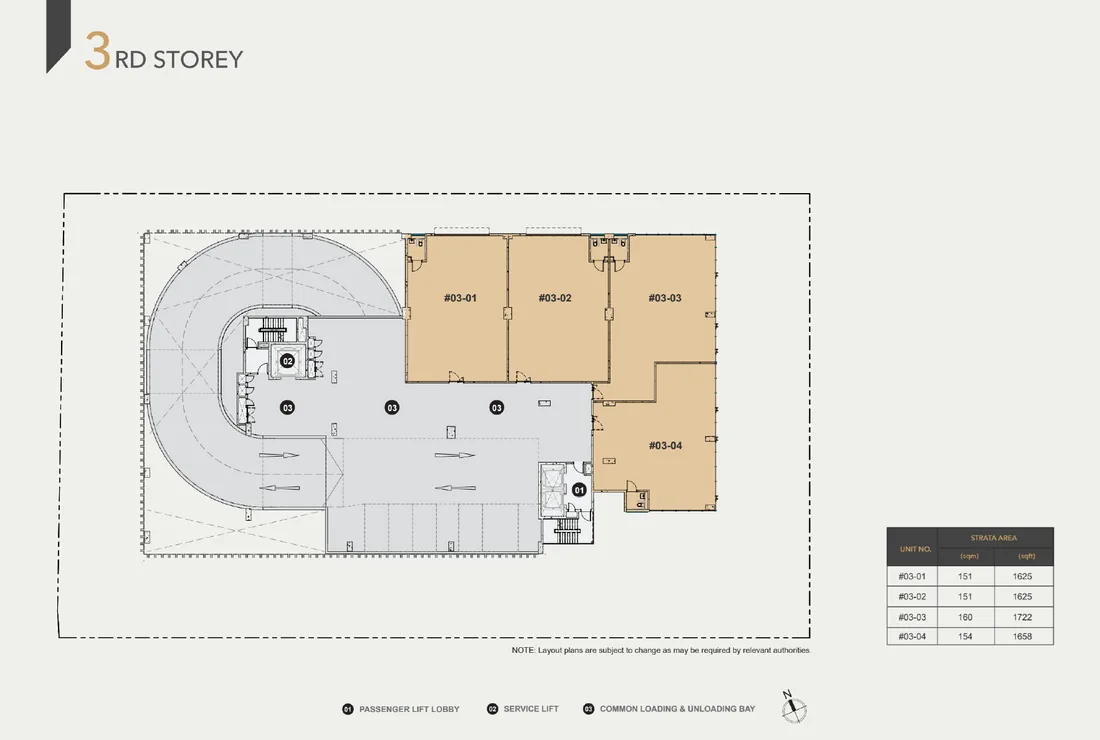
To keep it practical, here is the kind of “registration-to-decision” progression that the official site supports:
- Request the brochure and price guide for up-to-date information
- Receive details of the balance units that remain available
- Use the floor plans and unit distribution chart to short-list what fits
- Book a book viewing appointment if you want to verify layout and suitability
That sequence works because it respects the official site’s intent. You do not waste time trying to infer live availability from masked ranges on a public page, and you still leverage the openly described project materials (floor plans for all storeys, technical specs, and the unit distribution chart).
The importance of book viewing appointments in an availability conversation
The official site provides viewing appointment booking. That matters because balance units are not just numbers, they are physical layouts, access points, and the way a particular unit’s constraints show up when you are standing inside the estate.
You can read about “partial ramp-up access,” but you cannot fully judge operational suitability from text alone. Similarly, private attached toilets being subject to final approved plans is useful to know, but a viewing helps you understand the broader layout and how the unit configuration supports your intended workflow.
In other words, booking a viewing is where the abstract “balance unit list” becomes an actionable shortlist.
Questions worth asking during your appointment
To make the registration and viewing appointment actually productive, come prepared with targeted questions that tie directly to what the official site has already flagged as conditional or subject to approval.
Here are a few questions that tend to move the conversation forward quickly:
- Which specific balance units match my criteria right now, not just the broad price guide range?
- For the units I am considering, what is the confirmed status of private attached toilets relative to final approved plans?
- If I want to explore adjoining unit combination, which options are realistically possible under “subject to availability and approval”?
- Can the team explain how the partial ramp-up access works in practice for the specific storey/unit I’m viewing?
- Given the expected 31 Dec 2028 TOP/vacant possession timing, what should I assume for decision lead times?
This is persuasive because it forces alignment between what is currently available and what you are prepared to commit to. A balance units list that is “technically available” can still be operationally mismatched if the configuration, access, or approvals are not aligned with your needs.
Edge cases that buyers often overlook with “balance units”
Availability is rarely a clean yes or no. Space Nova’s official site itself highlights a couple of conditions that can turn an apparently perfect match into a slower-moving process.
Private attached toilets are “subject to final approved plans”
The official site says each unit includes private attached toilets, subject to final approved plans. That phrasing matters. It means you should not treat the toilet inclusion as a mere marketing promise that never changes, but it also means you should not plan your fit-out assumptions as if everything is already final.
When you receive balance units details via registration, ask how that condition is being handled for the units you are considering. That is especially important if your operations depend on a specific bathroom layout or if your internal compliance requirements are strict.
Combining adjoining units is “subject to availability and approval”
The official site says selected adjoining units may be combined subject to availability and approval. That is a powerful option for buyers who need a larger functional footprint, but it is also a constraint-laden pathway.
If combining is a core part of your plan, you should treat availability as the first gate and approval as the second gate. Registration helps because it can route you to the remaining options that still exist and might be eligible for combination, rather than wasting time on units that have already been sold or allocated.
Space Nova sales gallery and video: use them, but do not over-rely on them
The official site includes a sales gallery and a video. Those are useful for gauging presentation quality, typical finishes, and the marketing narrative behind the project.
But when you are specifically targeting balance units, media content should support your shortlist rather than replace it. A gallery can make multiple units look similar, and a video cannot replicate the practical questions you will ask on-site, like access flow, loading practicality, and how the layout fits your day-to-day.
Use the gallery and video to get oriented, then lean on the materials the official site explicitly includes in the e-brochure (floor plans for all storeys, unit distribution chart, technical specifications, facilities, connectivity information). Finally, treat your appointment as the verification step.
The smarter buyer’s move: register early, then decide with evidence
There is a common buyer mistake with balance units projects: they try to “understand everything first,” and by the time they are ready, the best remaining options have already been claimed.
Space Nova’s official site design reduces the public exposure of balance-unit specifics by masking parts of visible pricing and requiring registration for balance units and the price guide. That structure rewards buyers who move early with clarity.
You do not need to commit the moment you register. What you need is enough momentum to ensure you are not competing after the fact. Registration gives you a channel to receive the latest balance unit information and the associated price guide. Once you have those details, you can compare floor plans across storeys, check the unit distribution chart, and align your selection with the practical realities of attached toilets (subject to final approved plans) and any possible unit combination (subject to availability and approval).
What “registration” signals to the team, and what it should signal to you
From a persuasive standpoint, think of registration as the moment where you stop reading and start engaging. The official site is set up so that the team can share the right balance-unit materials to a specific buyer profile, instead of trying to keep a public web page perfectly aligned with a constantly shifting availability list.
For you, registration should signal commitment to evaluating quickly and decisively. If you are serious about industrial strata, the market does not reward hesitation. It rewards people who can move from information to action in the time window when the remaining units still match their requirements.
Space Nova has a defined total of 47 units across 7 storeys, expected to reach vacant possession/TOP around 31 Dec 2028, and offers a mix of features and conditions that can impact usability and fit-out planning. The official site gives you the foundational project details openly, then uses balance units registration to deliver the live, decision-relevant information.
If you want the best odds of securing a unit that fits, the official site’s approach is telling you one thing clearly: register, request the balance units and price guide, shortlist with the floor plans and site plan inputs, and then book a viewing to confirm fit. That is how you turn “availability” from a vague word into a concrete next step.